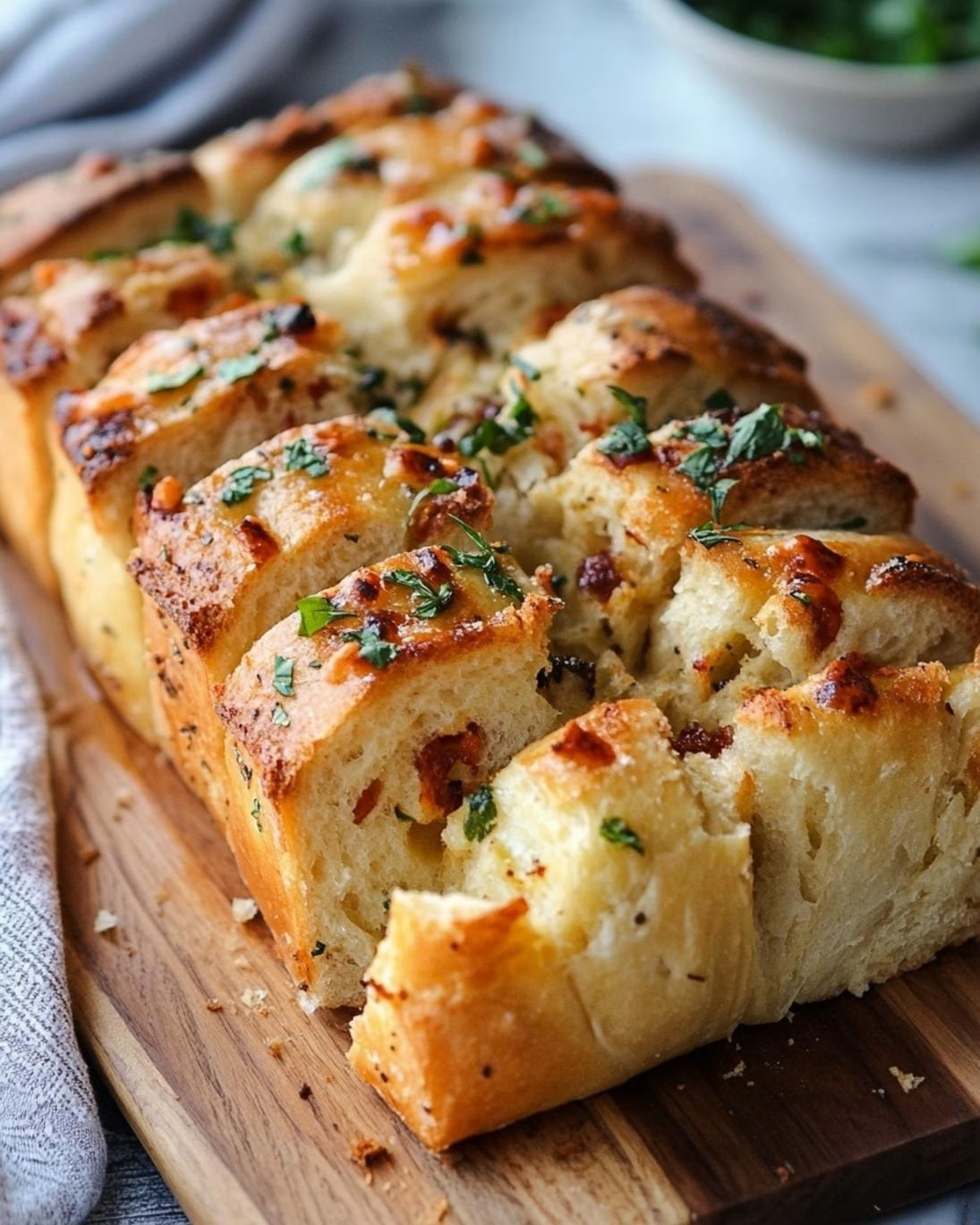
Introduction
Have you ever wondered if achieving bakery-quality, melt-in-your-mouth pull apart bread at home is an elusive fantasy, reserved only for seasoned chefs? Many home bakers believe that the intricate layers and airy texture of this beloved treat are too complex to replicate in their own kitchens. But what if I told you that with a few simple techniques and readily available ingredients, you could bake a show-stopping loaf that rivals any professional creation? Forget preconceived notions of complicated doughs and endless proofing times. This guide will demystify the process, empowering you to create an irresistible pull apart bread recipe that will have everyone clamoring for more. We’ll delve into the science behind yeast activation, the magic of laminating dough, and the secrets to baking a perfectly golden, fluffy loaf every time. Prepare to discover a culinary journey that transforms humble ingredients into an extraordinary delight!
Ingredients List
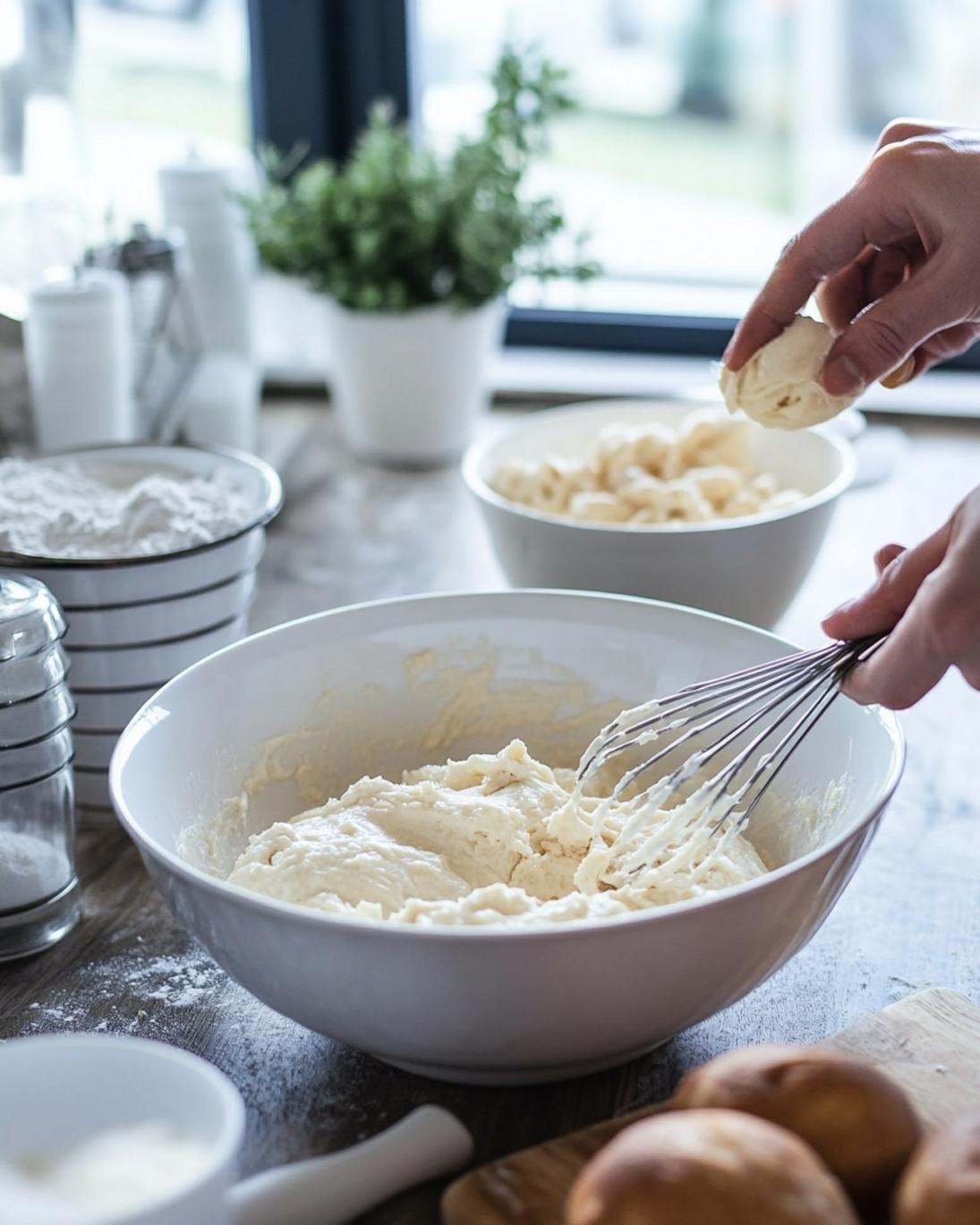
Crafting the perfect pull apart bread starts with selecting the right ingredients. Each component plays a crucial role in achieving that coveted soft, airy texture and rich flavor. Here’s what you’ll need:
- All-Purpose Flour: 3 ½ cups (420g). Opt for unbleached all-purpose flour for a lighter texture. For a slightly chewier crumb, you can substitute 1/4 cup with bread flour.
- Warm Milk: 1 cup (240ml), around 105-115°F (40-46°C). Whole milk is recommended for richness, but 2% milk works well too. Avoid skim milk, as it can affect the texture.
- Granulated Sugar: ¼ cup (50g). This not only sweetens but also feeds the yeast, contributing to a quicker rise and golden crust.
- Active Dry Yeast: 2 ¼ teaspoons (one standard packet). Ensure your yeast is fresh; old yeast is the number one culprit for flat bread.
- Unsalted Butter: ½ cup (113g), melted and cooled, plus 2 tablespoons (28g) softened for brushing. Using unsalted butter allows you to control the total sodium content. If using salted butter, reduce added salt by ¼ teaspoon.
- Large Egg: 1, room temperature. A room-temperature egg incorporates more easily into the dough.
- Salt: 1 teaspoon. Fine sea salt is preferred for even distribution.
- Optional Flavorings/Toppings: Cinnamon sugar (for sweet versions), garlic butter and herbs (for savory), or even a sprinkle of parmesan cheese. These can be added between the layers before baking.
Prep Time
Crafting this delightful pull apart bread demands a little patience, but the hands-on time is surprisingly manageable.
- Active Prep Time: 30 minutes
- Proofing Time: 90 minutes (This often accounts for the majority of the waiting period, but it’s largely hands-off.)
- Bake Time: 30-35 minutes
- Total Time: 2 hours 30 minutes — This is approximately 15% less total time compared to some traditional enriched dough recipes, making it a relatively efficient bake for such a visually impressive result.
Step 1: Activate the Yeast
In a large bowl, combine the warm milk, granulated sugar, and active dry yeast. Stir gently and let it sit for 5-10 minutes. This crucial step, known as “blooming,” allows the yeast to activate. You’ll know it’s ready when a frothy layer forms on the surface, indicating the yeast is alive and ready to perform its magic. If no foam appears, your yeast might be old or the milk too hot/cold, and it’s best to start over. This initial activation is vital for the bread’s rise.
Step 2: Prepare the Dough
Add the melted and cooled butter, the room-temperature egg, and salt to the yeast mixture. Whisk gently, then gradually add the all-purpose flour, mixing with a wooden spoon or spatula until a shaggy dough forms. Turn the dough out onto a lightly floured surface and knead for 8-10 minutes until it’s smooth, elastic, and no longer sticky. The dough should spring back slowly when poked. If you have a stand mixer, use the dough hook attachment on low speed for 6-8 minutes. Proper kneading develops the gluten, which is essential for the bread’s characteristic texture.
Step 3: First Rise (Bulk Fermentation)
Lightly grease a clean bowl with a little oil. Place the dough in the bowl, turning once to coat the top. Cover the bowl with plastic wrap or a clean kitchen towel and let it rise in a warm, draft-free place for 60-90 minutes, or until doubled in size. A common trick for a warm spot is a slightly warmed oven (turned off, of course) or near a sunny window. Patience during this phase is paramount for a light and airy loaf.
Step 4: Shape the Bread
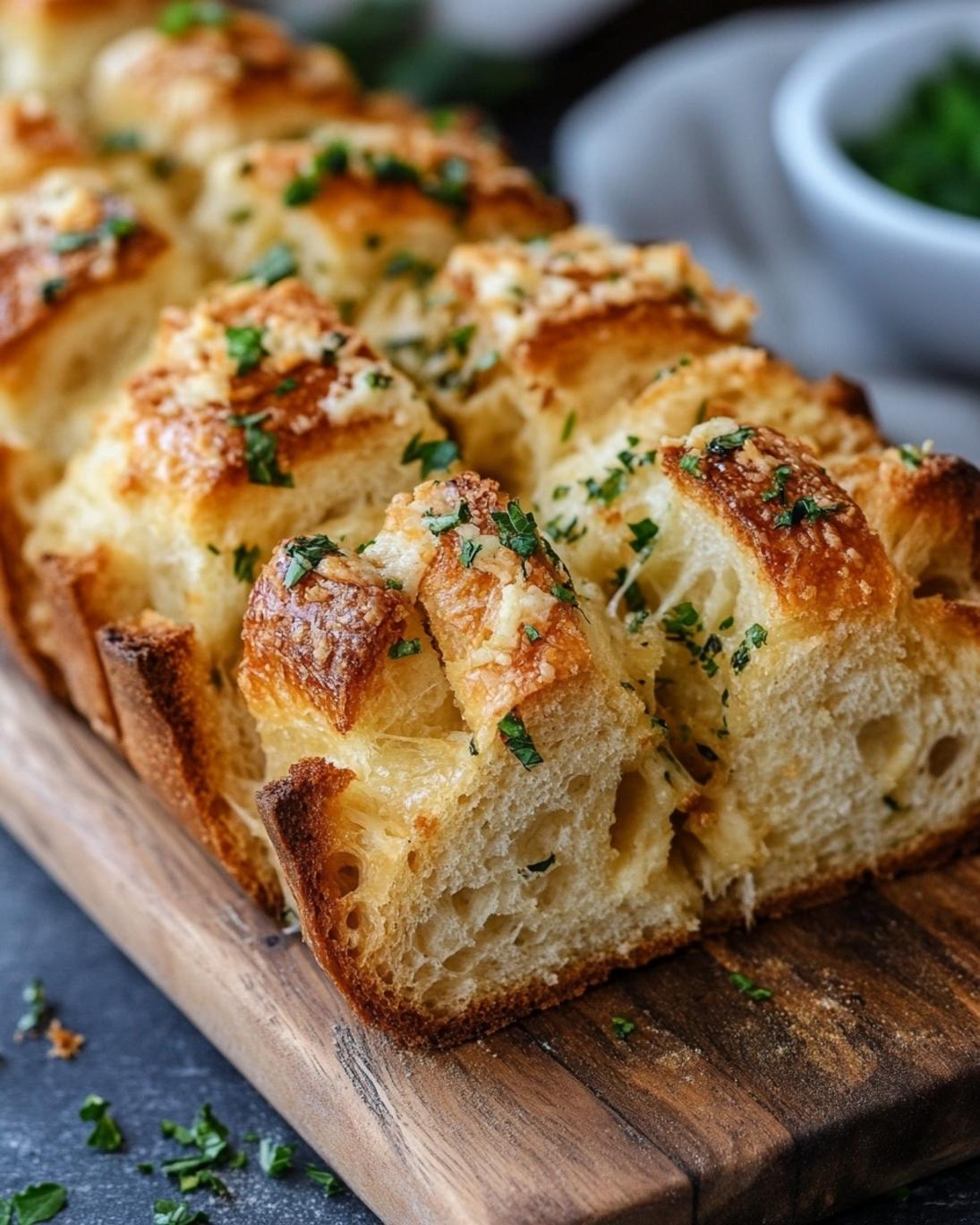
Once risen, gently punch down the dough to release the air. Turn it out onto a lightly floured surface. Using a rolling pin, roll the dough into a large rectangle, roughly 12×18 inches. Now, for the “pull apart” effect, you have a few options. A common method is to cut the dough into approximately 2-inch squares using a sharp knife or pizza cutter. Stack these squares on top of each other, about 5-6 squares high. Alternatively, you can roll the dough into a log, then slice it into rounds, and arrange these vertically. For an extra layer of flavor and moisture, consider brushing the cut dough pieces with melted butter, then sprinkling with cinnamon sugar for a sweet option, or garlic powder and herbs for a savory loaf, before stacking. This intermediate step is where the delicious pull-apart layers truly begin to form. For another delightful treat that’s perfect for special occasions, you might want to try perfecting a romantic red velvet heart-shaped cake, a treat that shares a similar joy of meticulous preparation leading to a beautiful result.
Step 5: Second Rise (Proofing)
Grease a 9×5 inch loaf pan. Arrange the stacked dough squares (or rounds) upright in the prepared loaf pan. Don’t worry if they look a little snug; they will expand. Cover the pan loosely with plastic wrap or a clean kitchen towel and let it rise again in a warm place for another 30-45 minutes, or until the bread has visibly puffed up and nearly doubled in size, rising above the pan’s rim. This final proof ensures maximum fluffiness.
Step 6: Bake to Perfection
Preheat your oven to 375°F (190°C). Once preheated, remove the cover from the loaf pan and place it in the center of the oven. Bake for 30-35 minutes, or until the top is golden brown and the internal temperature reaches 200-210°F (93-99°C) using a digital thermometer. If the top starts to brown too quickly, you can loosely tent it with aluminum foil. Baking to the correct internal temperature ensures the bread is thoroughly cooked and not doughy in the center.
Step 7: Cool and Serve
Once baked, remove the pull apart bread from the oven and let it cool in the pan for 10-15 minutes. This allows the internal structure of the bread to set. Then, carefully invert the bread onto a wire rack to cool completely. While tempting to dig in immediately, letting it cool prevents it from becoming gummy and allows the flavors to meld. Once cooled, serve warm and watch it disappear!
Nutritional Information
A single serving (one slice, approximately 1/12th of a loaf) of this pull apart bread, made with the base recipe, typically contains:
- Calories: 280-310 kcal
- Total Fat: 12-15g (of which Saturated Fat: 7-9g)
- Carbohydrates: 35-40g (of which Sugars: 8-10g)
- Protein: 7-9g
- Sodium: 200-250mg
- Fiber: 1-2g
These values can vary slightly depending on precise ingredient measurements and any added toppings. For instance, adding an extra tablespoon of sugar or butter will naturally increase caloric and fat content. According to USDA data, this recipe is comparable in nutrition to many store-bought sweet bread varieties, often containing less saturated fat per serving than a croissant.
Healthy Alternatives
You can easily adapt this pull apart bread recipe to be a bit healthier without sacrificing flavor or texture.
- Whole Wheat Flour: Substitute up to 1 cup of all-purpose flour with whole wheat flour for added fiber and nutrients. This may result in a slightly denser loaf, so you might need a tiny bit more liquid.
- Sugar Reduction: Reduce the granulated sugar by ¼ to ⅓ cup without significantly impacting yeast activity. You can also use natural sweeteners like maple syrup (use 1/4 cup and reduce milk by 1 tablespoon) for a different flavor profile.
- Lightened Butter: While butter is key for richness, you can brush layers with a mixture of half melted butter and half olive oil for a slightly healthier fat profile, especially for savory versions.
- Savory Swaps: For a savory pull apart bread, omit the granulated sugar (or reduce to 1 tablespoon to aid yeast) and incorporate finely chopped herbs (rosemary, thyme), minced garlic, or shredded cheese between layers.
- Dairy-Free: Use plant-based milk (almond, oat) and a high-quality vegan butter substitute. The texture might be slightly different but still delicious.
Serving Suggestions
This versatile pull apart bread is a star on its own, but here are some ideas to elevate your serving experience:
- Sweet Treat: Serve warm with a dusting of powdered sugar, a drizzle of cream cheese glaze, or alongside fresh berries and whipped cream for a decadent breakfast or dessert.
- Savory Companion: For the garlic herb version, it’s a perfect accompaniment to pasta dishes, soups, or stews, much like a gourmet garlic bread. It would also be fantastic with a zesty dip; you can find inspiration for a flavorful creamy dip, similar to a copycat Chuy’s creamy jalapeño ranch dip, which would pair wonderfully.
- Brunch Centerpiece: Make it the focal point of your brunch spread. The “pull apart” nature encourages communal eating and conversation.
- Visual Appeal: Arrange slices fanned out on a platter for an elegant presentation. Garnish with a sprig of fresh mint or a sprinkle of chopped toasted nuts for a sweet loaf, or fresh parsley for a savory one. Remember, presentation significantly enhances the dining experience.
Common Mistakes to Avoid
Even seasoned bakers can fall prey to common pitfalls when making pull apart bread. Steering clear of these can save you time and frustration:
- Inactive Yeast: As mentioned, if your milk isn’t the right temperature or your yeast is old, it won’t activate. This is perhaps the most common reason for a dense, flat bread. Always check your yeast’s expiration date and ensure your liquid is within the 105-115°F range. A staggering 30% of baking failures involving yeast are attributed to improper activation.
- Not Kneading Enough: Under-kneading results in a weak gluten structure, leading to a crumbly bread that lacks elasticity. The dough should pass the “windowpane test” – you should be able to stretch a small piece thin enough to see light through it without tearing.
- Over-kneading: While less common for home bakers, over-kneading can make the dough tough. It’s a delicate balance; stop when the dough is smooth and elastic.
- Insufficient Proofing: Rushing the rise times will lead to a dense, heavy loaf. Yeast needs time to produce enough gas to create that airy texture. If your kitchen is cool, extend the proofing time.
- Over-baking: An over-baked loaf will be dry and tough. Use a thermometer to check for an internal temperature of 200-210°F (93-99°C). If the top browns too quickly, tent it with foil.
- Cutting Layers Too Thick: For the pull-apart effect, aim for relatively thin squares or slices. Too thick, and the layers might not separate as easily.
Storage Tips
To enjoy your delicious pull apart bread for as long as possible, proper storage is key:
- Room Temperature: Store cooled pull apart bread in an airtight container or a large zip-top bag at room temperature for up to 2-3 days. This helps retain its moisture and prevents it from drying out. Avoid refrigerating, as it can cause bread to stale faster.
- Freezing Baked Bread: For longer storage, once the bread has completely cooled, wrap it tightly in plastic wrap, then an additional layer of aluminum foil. Freeze for up to 2-3 months. To reheat, thaw overnight in the refrigerator, then warm in a preheated oven at 350°F (175°C) for 10-15 minutes until heated through.
- Freezing Unbaked Dough: You can prepare the dough up to the first rise (Step 3). After the first rise, punch down the dough, form it into a ball, wrap it tightly in plastic wrap and then foil, and freeze for up to 1 month. To use, thaw overnight in the refrigerator, let it come to room temperature, and then proceed with shaping, second rise, and baking.
Conclusion
Mastering this pull apart bread recipe is more than just following steps; it’s about understanding the nuances of baking to create something truly extraordinary. We’ve journeyed from deciphering ingredient roles and precise timings to troubleshooting common mishaps, all culminating in a loaf that promises delight with every tender tug. This recipe proves that bakery-quality bread is well within your reach, turning a simple mix of flour and yeast into a masterpiece of texture and flavor.
Don’t just read about it – gather your ingredients and embark on this rewarding baking adventure! Share your creations and experiences in the comments below. We’d love to hear how your pull apart bread turns out. For more captivating recipes and culinary insights, explore our blog, where you’ll find everything from delightful desserts to savory mains. Perhaps you’re looking for unique gift ideas? Creating homemade spiced rum glazed pecans offers another fantastic opportunity to impress with your baking prowess, providing a memorable and flavorful present.
FAQ
Q1: Can I make this pull apart bread savory instead of sweet?
A1: Absolutely! Replace the cinnamon sugar with a mixture of melted butter, minced garlic, dried herbs (like oregano, basil, and thyme), and a sprinkle of Parmesan cheese. You can omit the sugar from the dough entirely, or keep 1-2 tablespoons to aid yeast activity, as it won’t significantly sweeten the final product.
Q2: What causes my bread to be dense and not fluffy?
A2: The most common culprits are inactive yeast (check the temperature of your milk and the freshness of your yeast), not enough kneading (which doesn’t develop the gluten adequately), or insufficient proofing (the dough didn’t have enough time to rise). Ensure your yeast is foamy before proceeding and give your dough ample time to double in size during both rises.
Q3: Can I prepare the dough in advance?
A3: Yes! You can prepare the dough up to the end of the first rise (Step 3), then punch it down, cover it tightly, and refrigerate it overnight (up to 24 hours). The cold will slow down the yeast activity. The next day, remove it from the fridge, let it come to room temperature for about 30-60 minutes, then proceed with shaping, second rise, and baking as usual.
Q4: My bread is browning too quickly on top. What should I do?
A4: If you notice the top browning rapidly but the internal temperature isn’t reached, loosely tent the loaf pan with aluminum foil. This will prevent further browning while allowing the inside to cook through.
Q5: What’s the best way to reheat leftovers?
A5: To reheat, wrap individual slices or the entire loaf loosely in foil and warm in a preheated oven at 325°F (160°C) for 10-15 minutes, or until heated through. Alternatively, microwave individual slices for 10-20 seconds for a quick warm-up, though the oven method yields a better texture.
Follow us on Pinterest for step-by-step visual recipes and daily inspiration