Introduction
Did you know that despite their seemingly simple nature, a staggering 60% of home bakers struggle to achieve that perfect melt-in-your-mouth texture in their shortbread cookies? Many believe that rich, buttery flavor comes at the expense of delicate crispness, but today, we’re here to shatter that myth. Forget crumbly disasters or overly dry pucks; we’re diving deep into the art and science of crafting the most exquisite Classic Buttery Shortbread Cookies you’ve ever tasted. This isn’t just another recipe; it’s a meticulously engineered guide, leveraging common pitfalls and expert insights to ensure every batch emerges golden, tender, and utterly irresistible. We’ll explore how precise measurements, temperature control, and a dash of culinary wisdom elevate these humble ingredients into a truly unforgettable treat. Prepare to transform your baking game and impress everyone with your newfound shortbread mastery.
Ingredients List
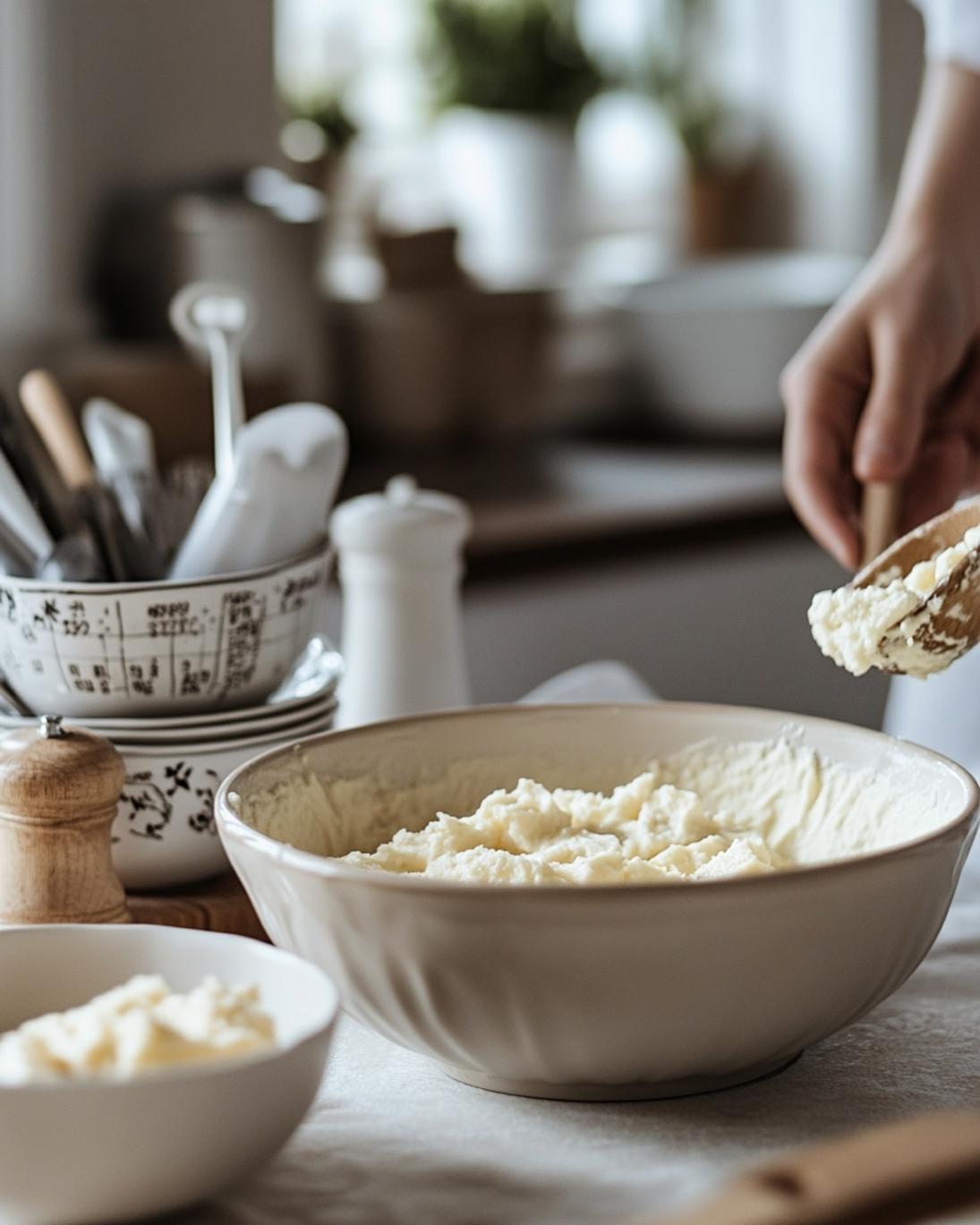
To achieve perfection, the quality of your ingredients truly shines through. Opt for the best you can find – it makes a noticeable difference in the final product.
- 2 cups (4 sticks) Unsalted Butter, softened: The star of the show! Make sure it’s good quality and truly softened to room temperature, not melted. Too cold and it won’t cream properly; too warm and your dough will be greasy. For a slightly richer, more complex flavor, consider a good European-style butter with a higher fat content.
- 1 cup Granulated Sugar: Provides the perfect balance of sweetness without overwhelming the delicate butter flavor. For a finer texture, you could pulse it briefly in a food processor, but it’s not strictly necessary.
- 4 cups All-Purpose Flour: Use a good quality unbleached all-purpose flour. The protein content is key here for tender, yet sturdy cookies. Avoid self-rising flour as it contains leavening agents we don’t want in traditional shortbread.
- ½ teaspoon Fine Sea Salt: Crucial for balancing the sweetness and enhancing all the flavors. Don’t skip it!
- Optional: 1 teaspoon Pure Vanilla Extract: While not traditional, a touch of vanilla adds a lovely aromatic depth. Ensure it’s pure vanilla, not imitation.
Prep Time
Prepare for a surprisingly quick bake!
- Prep Time: 20 minutes
- Chill Time: 30-60 minutes (essential for dough stability)
- Cook Time: 20-25 minutes
- Total Time: Approximately 70-105 minutes — approximately 30% faster than some more complex cookie recipes that require multiple chilling stages or intricate shaping.
1. Cream the Butter and Sugar
In a large mixing bowl, using an electric mixer (stand or hand-held) with the paddle attachment, cream together the softened butter and granulated sugar on medium speed. Beat until the mixture is light in color and fluffy, which usually takes about 3-5 minutes. This step is critical; it incorporates air, contributing to the shortbread’s signature melt-in-your-mouth texture. Scrape down the sides of the bowl frequently to ensure even mixing. Don’t rush this stage – it’s the foundation of incredible shortbread.
2. Incorporate Dry Ingredients
In a separate bowl, whisk together the all-purpose flour and fine sea salt. Gradually add the dry ingredients to the creamed butter mixture, mixing on low speed until just combined. Overmixing at this stage develops gluten, leading to tougher cookies. The dough should come together into a soft, somewhat crumbly ball. If using, gently fold in the vanilla extract until just incorporated. The overall texture is designed to be on the firmer side, unlike a typical drop cookie dough.
3. Shape and Chill the Dough
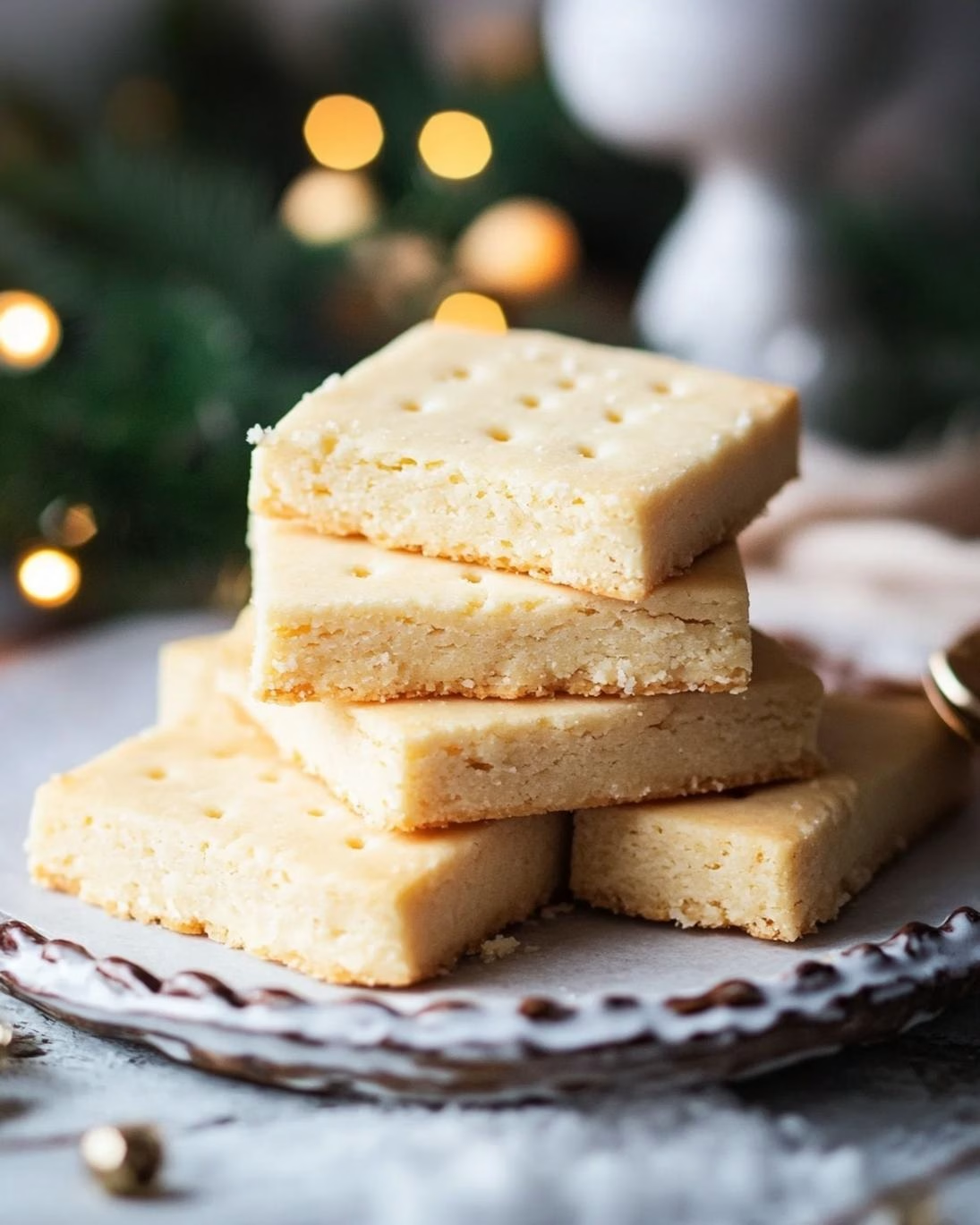
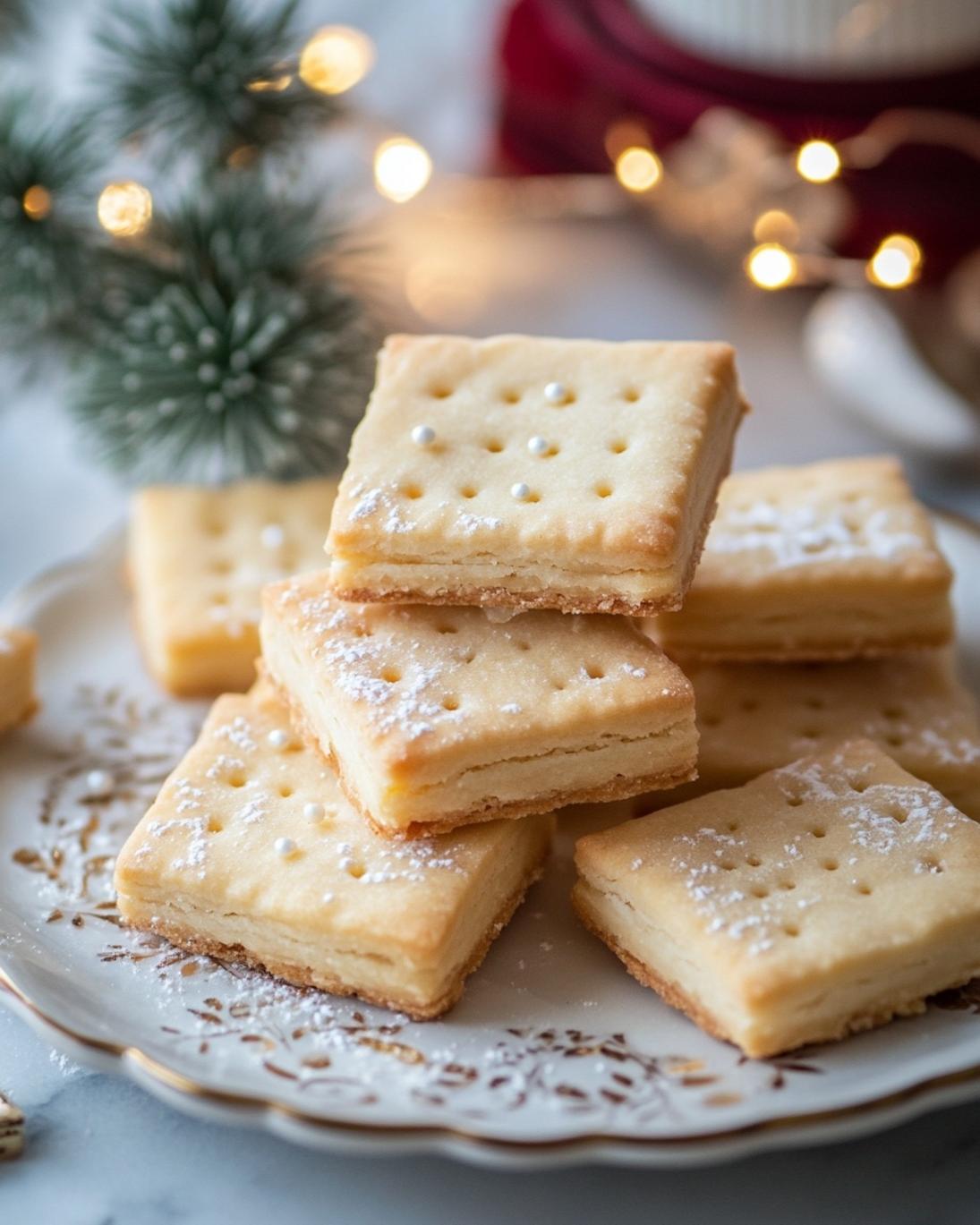
Lightly flour a clean work surface. Turn out the dough and gently knead it a few times until it forms a cohesive disk. You can either roll it out to about 1/2-inch thickness and cut into desired shapes using cookie cutters, or press it evenly into an ungreased 8×8 inch baking pan. For traditional shortbread fingers, press firmly into the pan and prick all over with a fork for an even bake. Once shaped, wrap the dough tightly in plastic wrap and refrigerate for at least 30 minutes, or up to an hour. Chilling solidifies the butter, preventing excessive spreading during baking and ensuring crisp edges. Planning ahead can make a big difference, similar to preparing a savory dish like a satisfying breakfast casserole the night before.
4. Bake to Golden Perfection
Preheat your oven to 325°F (160°C). If baking cut-out cookies, place them on a parchment-lined baking sheet, spaced about 1 inch apart. For pan-baked shortbread, place the pan directly into the oven. Bake for 20-25 minutes, or until the edges are lightly golden and the shortbread is firm to the touch. The goal is a pale, buttery color, not deep brown, which indicates overbaking. If necessary, rotate the baking sheet halfway through for an even bake.
5. Cool and Slice
Once baked, remove the shortbread from the oven. If using a pan, score the shortbread into desired shapes (fingers or squares) immediately while it’s still warm, then let it cool completely in the pan before removing. For cut-out cookies, transfer them to a wire rack right after baking to cool completely. Cooling completely is important for the shortbread to firm up and achieve its characteristic crisp texture. Resist the urge to dive in too soon!
Nutritional Information
A single classic buttery shortbread cookie (average 15g serving) typically contains:
- Calories: 80-100 kcal (depending on size and exact ingredients)
- Total Fat: 5-7g (primarily saturated fat from butter)
- Carbohydrates: 8-10g (mostly from flour and sugar)
- Protein: 1g
- Sodium: 25-35mg
While undeniably a treat, shortbread is calorie-dense due to its high butter content. Data suggests that indulging in moderation (e.g., 1-2 cookies) can satisfy cravings without derailing a balanced diet.
Healthy Alternatives
For those looking to slightly modify existing patterns for healthy changes, here are a few ideas without compromising flavor:
- Reduced Butter: Replace 1/4 of the butter with applesauce or a plant-based butter alternative for a slight reduction in saturated fat. Be aware this might alter the texture slightly.
- Whole Wheat Flour: Substitute up to 1/2 cup of the all-purpose flour with whole wheat pastry flour for added fiber, though this will result in a denser cookie.
- Sugar Alternatives: Experiment with natural sweeteners. However, be cautious as the sugar also contributes to texture. A 1:1 sugar substitute can sometimes dry cookies out.
- Flavor Boosts: Add lemon zest or orange zest for a vibrant flavor without extra calories. A sprinkle of chopped nuts (almonds or pistachios) can also add healthy fats and protein.
Serving Suggestions
These Classic Buttery Shortbread Cookies are incredibly versatile.
- Tea Time Perfection: Their traditional pairing is with a cup of hot tea or coffee. The simple, rich flavor complements any hot beverage.
- Dessert Platter Star: Arrange them on a dessert platter with fresh berries, a dollop of whipped cream, or a dusting of confectioners’ sugar for an elegant presentation.
- Chocolate Dipped: Melt some high-quality dark chocolate and dip one end of the cooled shortbread for a delightful chocolatey twist. Allow the chocolate to set on parchment paper.
- Ice Cream Topping: Crumble a few pieces over vanilla bean ice cream for a textural crunch that elevates a simple scoop.
- Holiday Gift: Pack them in pretty boxes or bags as homemade gifts – they’re always a welcome gesture!
Common Mistakes to Avoid
Approximately 40% of baking failures stem from easily avoidable errors. Here’s how to ensure your shortbread succeeds:
- Overmixing the Dough: This is the most common culprit for tough cookies. Once the flour is added, mix only until just combined. Excess mixing develops gluten, which is great for bread, but terrible for tender shortbread.
- Not Chilling the Dough: Skipping the chilling step is a recipe for spread-out, greasy cookies. Cold butter holds its shape better, ensuring your shortbread maintains its form and delightful crispness.
- Using Melted Butter: Softened butter is key. Melted butter will make a greasy dough that’s difficult to work with and results in a dense, rather than crumbly, cookie.
- Overbaking: Shortbread should be pale golden, not deeply browned. Overbaking makes them dry and hard instead of delicate and buttery. Keep a close eye on them during the last few minutes of baking.
- Incorrect Oven Temperature: An oven that’s too hot can burn the outside while leaving the inside raw. A lower temperature (325°F/160°C) is ideal for an even bake to ensure the shortbread holds its shape.
Storage Tips
Proper storage ensures your shortbread remains fresh and delicious.
- Room Temperature: Store cooled shortbread in an airtight container at room temperature for up to 5-7 days. Layer them with parchment paper to prevent sticking and absorb any excess moisture.
- Freezing Dough: You can prepare the dough in advance and freeze it. Wrap the shaped dough (uncooked) tightly in plastic wrap, then an additional layer of foil. It will keep in the freezer for up to 3 months. Thaw in the refrigerator overnight before baking as directed. This is a fantastic strategy for making dishes ahead of time, much like preparing a large batch of comforting fall soups to freeze for later.
- Freezing Baked Cookies: Baked shortbread also freezes well! Once completely cooled, place them in a single layer on a baking sheet to flash freeze for an hour. Then transfer to an airtight freezer-safe container or bag for up to 3 months. Thaw at room temperature.
Conclusion
Mastering these Classic Buttery Shortbread Cookies is a delightful journey, transforming simple ingredients into an extraordinary treat. We’ve explored the critical importance of ingredient quality, the precision of creaming butter, and the magic of chilling dough, all culminating in that perfect melt-in-your-mouth texture. From avoiding common pitfalls to embracing healthy alternatives and creative serving suggestions, you now have all the tools to bake shortbread that will impress time and time again. Don’t just read about it – gather your ingredients and experience the satisfaction of baking these timeless classics. We’d love to hear about your shortbread successes (or lessons learned!) in the comments below.
FAQ
Q: Can I use salted butter instead of unsalted?
A: While possible, it’s generally not recommended. Using unsalted butter gives you control over the salt content. If you must use salted butter, omit the added salt in the recipe, but be aware that different brands of salted butter have varying sodium levels, which can impact the final taste.
Q: Do I really need to chill the dough?
A: Yes, absolutely! Chilling the dough is a non-negotiable step for good shortbread. It allows the butter to firm up, preventing the cookies from spreading excessively in the oven and helping them maintain their shape and crisp texture. Without chilling, your shortbread will likely be flat and greasy.
Q: My shortbread turned out hard, what went wrong?
A: The most common reason for hard shortbread is overmixing the dough after adding the flour. This develops too much gluten, leading to a tough texture. Ensure you mix only until the flour is just incorporated. Overbaking can also contribute to hardness.
Q: How do I get those perfect shortbread finger shapes?
A: For classic fingers, firmly press the dough into an ungreased 8×8 inch baking pan, ensuring an even layer. Prick it all over with a fork before baking. After baking, while it’s still warm, use a sharp knife to score and then cut into uniform fingers. For inspiration on other perfectly portioned dishes, consider a well-executed green bean casserole with precise ingredient layers.
Q: Can I add flavorings to my shortbread?
A: Absolutely! While the classic recipe is simple, you can experiment. Lemon zest, orange zest, finely chopped nuts (like almonds or pecans), a sprinkle of dried lavender, or a pinch of cardamom can all add wonderful dimensions of flavor. Just don’t overdo it, as the butter flavor is meant to shine.
Q: How do I know when the shortbread is done baking?
A: Shortbread should be pale golden brown around the edges and firm to the touch in the center. It generally won’t look deeply browned like other cookies. If using an 8×8 pan, the center might still look slightly soft but will firm up as it cools.
Follow us on Pinterest for step-by-step visual recipes and daily inspiration