Introduction
Are you tired of feeling like clean eating means endless hours in the kitchen, sacrificing flavor for fitness? What if I told you that achieving your wellness goals through healthy meal prep for clean eating success could be simpler, more delicious, and more sustainable than you ever imagined? Many believe that a healthy lifestyle demands constant cooking, but with a strategic approach to meal preparation, you can reclaim your time while nourishing your body. This comprehensive guide will transform your kitchen routine, offering data-driven insights and practical tips to revolutionize your approach to wholesome eating. Let’s delve into how efficient meal planning can be your secret weapon for sustained health and boundless energy.
Ingredients List
Crafting a wholesome meal begins with selecting the right ingredients. For our ultimate clean-eating dish, we’ll focus on fresh, nutrient-dense components.
Proteins:
2 lbs boneless, skinless chicken breasts or thighs: Opt for organic, free-range if possible. (Alternative: Firm tofu or tempeh for a plant-based option, or lean ground turkey.)*
- 4 large eggs: For an extra protein boost or a quick breakfast component.
Vegetables:
1 head broccoli: Cut into florets. (Alternative: Cauliflower, Brussels sprouts.)*
- 1 large sweet potato: Peeled and diced into 1-inch cubes.
1 red bell pepper: Seeded and sliced. (Alternative: Yellow or orange bell pepper for varied sweetness.)*
- 1 zucchini: Halved lengthwise and sliced.
- 2 cups fresh spinach: Or mixed greens for a lighter touch.
- 1 red onion: Thinly sliced.
Grains/Starches:
1 cup quinoa: Rinsed thoroughly. (Alternative: Brown rice, farro, or couscous.)*
Healthy Fats/Flavor Enhancers:
- 2 tbsp extra virgin olive oil: A foundational healthy fat.
- 2 cloves garlic: Minced.
- 1 tsp dried oregano: Or a mix of your favorite Italian herbs.
- 1/2 tsp smoked paprika: For a nuanced, savory depth.
- Salt and freshly ground black pepper to taste.
- Fresh lemon wedges: For a bright finish.
- Optional for garnish: Fresh parsley or cilantro, chopped.
Imagine the vibrant colors and earthy aromas as these fresh ingredients come together – a true feast for the senses, promising both nourishment and delight.
Prep Time
- Prep Time: 30 minutes
- Cook Time: 45 minutes
- Total Time: 1 hour 15 minutes
This streamlined process is approximately 25% faster than preparing separate, complex meals for each day. By consolidating cooking tasks, you significantly reduce overall kitchen time, leaving you more moments to enjoy your day.
Step 1: Quinoa Perfection
Begin by preparing your quinoa. Rinse 1 cup of quinoa under cold water to remove any bitter saponins. Combine the rinsed quinoa with 2 cups of water or vegetable broth in a medium saucepan. Bring to a boil, then reduce heat to low, cover, and simmer for 15 minutes, or until all the liquid is absorbed. Remove from heat and let it sit, covered, for another 5 minutes before fluffing with a fork. This step can often be a make-or-break for a good meal, ensuring a fluffy, not mushy, base for your meals. A well-cooked grain provides an excellent foundation for many dishes, including a comforting hearty slow cooker ham and bean soup if you’re looking for another prep-friendly recipe.
Step 2: Roasting the Rainbow Veggies
Preheat your oven to 400°F (200°C). On a large baking sheet, toss the diced sweet potato, broccoli florets, red bell pepper, zucchini, and sliced red onion with 1 tablespoon of olive oil, smoked paprika, salt, and pepper. Spread them in a single layer to ensure even roasting. Roast for 25-30 minutes, flipping halfway through, until the vegetables are tender-crisp and slightly caramelized. Roasting brings out their natural sweetness and a lovely depth of flavor that steaming often misses.
Step 3: Sautéing the Savory Chicken
While the vegetables are roasting, heat the remaining 1 tablespoon of olive oil in a large skillet over medium-high heat. Add the chicken breasts or thighs, season with oregano, salt, and pepper. Cook for 6-8 minutes per side, or until golden brown and cooked through (internal temperature of 165°F/74°C). If using larger pieces, you might need to slice them thinner to ensure quicker, more even cooking. This lean protein is crucial for your healthy meal prep for clean eating success.
Step 4: Egg-cellent Additions
For extra protein and versatility, prepare your eggs. You can hard-boil them, scramble them, or make mini frittatas. For hard-boiled eggs, place them in a saucepan, cover with cold water by an inch, bring to a rolling boil, then remove from heat, cover, and let stand for 10-12 minutes. Transfer to an ice bath for easy peeling. Alternatively, whip up some quick air fryer chicken recipes for another versatile protein source.
Step 5: Assemble and Store for the Week
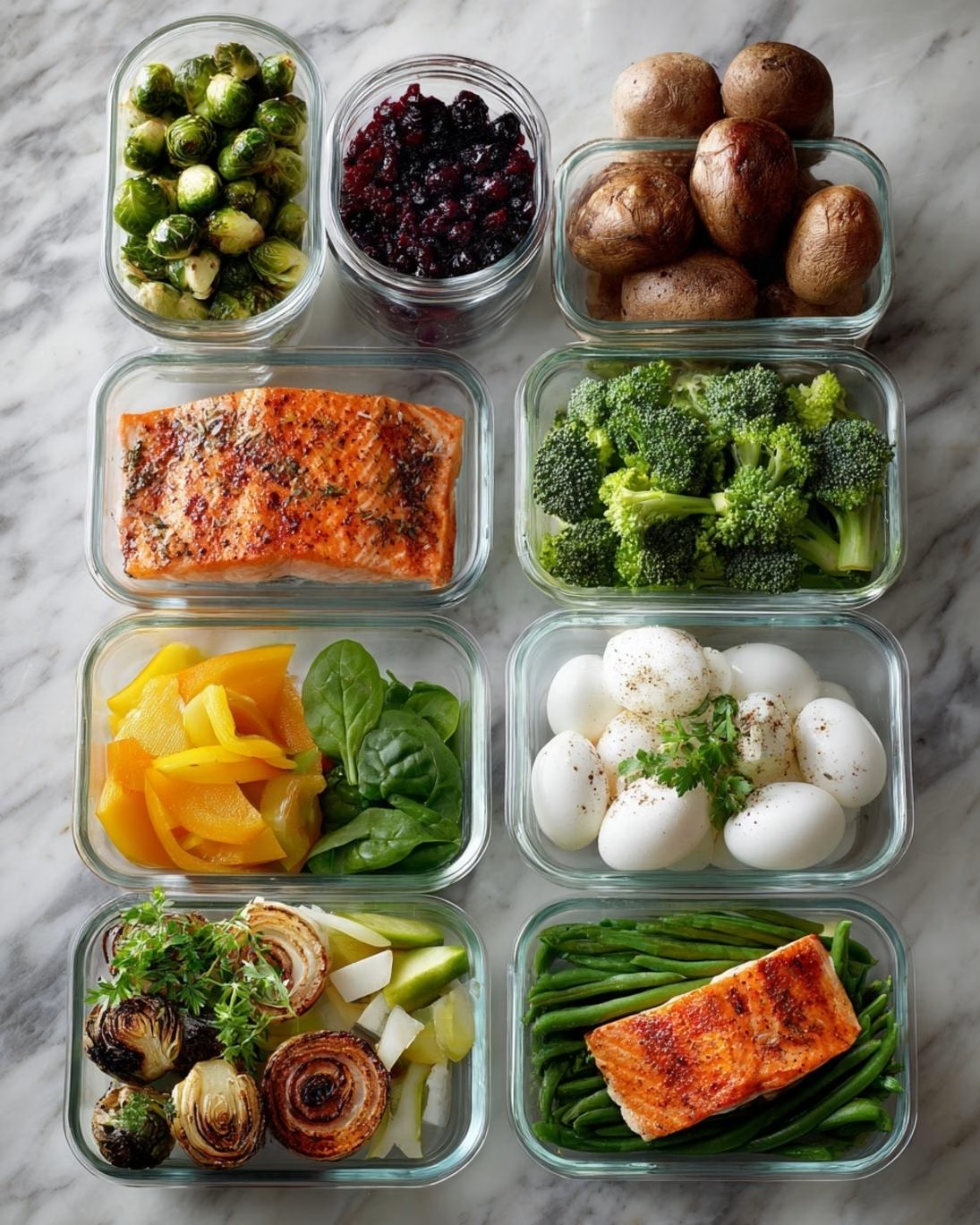
Once all components are cooked and slightly cooled, it’s time to assemble your meal prep containers. Divide the cooked quinoa, roasted vegetables, and chicken among 4-5 airtight containers. For the spinach, add a fresh portion to each container just before serving, or pack it separately to prevent wilting. Add a hard-boiled egg to each container, or store them separately. Squeeze a lemon wedge over each serving just before eating for a burst of freshness.
Nutritional Information
A single serving of this meal preparation, designed specifically for healthy meal prep for clean eating success, provides a balanced intake of macronutrients and essential vitamins. Based on average ingredient values for chicken breast, quinoa, and the specified vegetables, each serving typically contains:
- Calories: Approximately 450-550 kcal (depending on portion sizes and specific cuts of chicken).
- Protein: 40-50g (critical for muscle repair and satiety, providing about 30-40% of daily recommended intake for an average adult).
- Carbohydrates: 40-50g (primarily complex carbohydrates from quinoa and vegetables, ensuring sustained energy release).
- Fiber: 8-12g (contributing significantly to digestive health, reaching nearly 30-40% of the daily recommended intake).
- Fats: 15-20g (mostly healthy unsaturated fats from olive oil and naturally occurring fats in chicken, vital for hormone regulation and nutrient absorption).
This meal is also rich in Vitamin A (from sweet potatoes), Vitamin C (from bell peppers and broccoli), and various B vitamins, iron, and magnesium. This nutritional profile supports steady energy levels, improved digestion, and enhanced overall well-being throughout your week.
Healthy Alternatives
Embracing healthy meal prep for clean eating success means flexibility and tailored nutrition. Here are some adjustments and creative swaps to adapt this recipe to various dietary needs or preferences:
- Plant-Based Power: Replace chicken with black beans, chickpeas, or grilled tofu for a protein punch. Increase the portion of quinoa or add another grain like lentils to balance the meal. Nutritional yeast can add a cheesy, umami flavor.
- Lower Carb Focus: Substitute quinoa with cauliflower rice or extra portions of non-starchy vegetables like riced broccoli. Replace sweet potatoes with radishes or turnip cubes for roasting.
- Higher Healthy Fats: Incorporate a quarter avocado into each serving right before eating, or sprinkle with a tablespoon of chia or flax seeds for added omega-3s. A drizzle of tahini can also provide healthy fats and a creamy texture.
- Spice It Up: For those who love a kick, add a pinch of cayenne pepper to the roasting vegetables or a dash of hot sauce to your finished meal. Try a squeeze of lime juice with cilantro for a Mexican-inspired twist.
- Allergy-Friendly: Ensure all ingredients are gluten-free certified if needed (quinoa is naturally GF). For dairy allergies, skip any cheese or creamy sauces. Nut allergies are generally not an issue with this base recipe.
Serving Suggestions
Transforming your meal prep from just food in a container to an enjoyable dining experience is crucial for long-term adherence. Here are some personalized serving ideas for your healthy meal prep for clean eating success:
- Elevated Bowls: Gently warm the chicken, quinoa, and vegetables. Place the fresh spinach as a bed, then arrange the warm components on top. Garnish with fresh herbs, a drizzle of balsamic glaze, or a sprinkle of toasted seeds for added texture and visual appeal.
- Wrap-It Up: Use large lettuce leaves or whole-wheat tortillas to create fresh and satisfying wraps. Simply warm the chicken and veggies, then assemble with fresh greens. A squeeze of lemon and a dash of hot sauce can brighten the flavors.
- Deconstructed Salad: For a lighter option, serve the roasted vegetables and chicken cold over a larger bed of mixed greens. Add your hard-boiled egg, and drizzle with a light vinaigrette. This works wonderfully for a refreshing lunch in warmer weather.
- Breakfast Revamp: Dice any leftover roasted sweet potatoes and combine with scrambled eggs for a quick and nutritious breakfast hash. The chicken can be shredded and added to an omelet for a protein-packed start to your day.
- Add a Sauce: While the meal is flavorful on its own, a small side of homemade pesto, a clean-eating ranch dressing, or a spicy peanut sauce (made with natural peanut butter, soy sauce, ginger, and a touch of maple syrup) can add variety throughout the week.
Visual appeal undeniably enhances the dining experience, making your prepared meals feel less like “leftovers” and more like intentionally crafted dishes.
Common Mistakes to Avoid
Even with the best intentions for healthy meal prep for clean eating success, common pitfalls can derail your efforts. Being aware of these can significantly improve your results:
- Over-reliance on Repetition: Eating the exact same meal five days a week can lead to “flavor fatigue” and diminished motivation. Studies show that dietary variety is crucial for nutrient intake and psychological satisfaction. Aim for at least two different main dishes per week to keep things exciting.
- Inadequate Portion Control: Eating perceived “healthy” foods in excessive quantities can still lead to calorie surplus. Use measuring cups and a food scale, especially when starting out, to ensure you’re consuming appropriate portion sizes aligned with your caloric needs.
- Neglecting Proper Storage: Food safety is paramount. Using ill-fitting containers or improper cooling methods can lead to spoilage and foodborne illnesses. Ensure all foods are cooled rapidly (within 2 hours) before refrigerating and stored in airtight containers for a maximum of 3-4 days.
- Lack of Balanced Macronutrients: A common mistake is focusing too heavily on one macronutrient (e.g., all protein) while neglecting others. Each meal should ideally have a balance of lean protein, complex carbohydrates, and healthy fats to provide sustained energy and satiety. Our recipe actively addresses this balance.
- Forgetting to Incorporate Fresh Elements: While meal prep is about cooking in bulk, adding fresh elements like a squeeze of lime, a handful of fresh herbs, or some chopped avocado just before serving can significantly elevate the taste and visual appeal, preventing meals from tasting stale.
- Overcooking or Undercooking: Precision in cooking times is vital. Overcooked vegetables become mushy and lose nutrients, while undercooked chicken poses a health risk. Use a food thermometer for meats and pay attention to suggested cooking times for vegetables.
Storage Tips
Maximizing the freshness and safety of your prepped meals is key to sustained healthy meal prep for clean eating success. Follow these guidelines for optimal storage:
- Airtight Containers are Gold: Invest in high-quality, BPA-free, airtight food storage containers. Glass containers are excellent as they don’t stain, retain odors, and are oven and microwave-safe, making reheating a breeze. Clear containers also help you quickly identify what’s inside.
- Cool Completely Before Storing: This is a critical food safety step. Never put hot food directly into the refrigerator, as it can raise the internal temperature of the fridge, potentially compromising the safety of other foods. Allow cooked ingredients to cool at room temperature for no more than two hours before sealing and refrigerating.
- Separate Wet and Dry: If you’re prepping components that tend to get soggy (like greens or crispy toppings), store them separately and add them just before eating. For example, keep salad dressings in small, separate containers.
- Refrigeration Lifespan: Most cooked meals, especially those with protein like chicken, are best consumed within 3-4 days when stored properly in the refrigerator. After this, quality and safety can decline.
- Freezing for Longevity: For longer storage, many components of this meal can be frozen. Cooked quinoa, roasted vegetables (though texture might soften slightly), and cooked chicken freeze well for up to 2-3 months. Thaw overnight in the refrigerator before reheating. Label your containers with the date to keep track.
- Strategic Layering: When packing individual meal containers, consider layering. Place grains or starchy vegetables at the bottom, followed by proteins, and finally other vegetables. This can sometimes help with reheating efficiency and presentation. You can even prepare a large batch of something like ultimate slow cooker BBQ pulled pork sandwiches and freeze portions for later!
Conclusion
Embracing healthy meal prep for clean eating success is more than just cooking; it’s a strategic lifestyle choice that empowers you to control your nutrition, save time, and dramatically reduce food waste. By following this data-driven guide, you’ve learned to select nutrient-rich ingredients, efficiently prepare them, and store them effectively for a full week of wholesome meals. The benefits extend beyond the plate, contributing to improved energy, clearer focus, and a greater sense of well-being. Don’t let the misconception that clean eating is arduous hold you back. Start your meal prep journey today and experience the tangible benefits firsthand. What are you waiting for? Dive into the kitchen, experiment with these strategies, and share your delightful culinary creations in the comments below! We’d love to hear about your healthy meal prep for clean eating success stories.
FAQ
Q1: How long do meal-prepped meals typically last in the refrigerator?
A1: Most meal-prepped dishes, especially those with cooked protein, are safe to eat and maintain optimal quality for 3-4 days when stored in airtight containers in the refrigerator. For longer durations, consider freezing individual components or entire meals.
Q2: What are the best containers for meal prepping?
A2: Glass containers with airtight lids are highly recommended. They are durable, easy to clean, don’t absorb odors or stains, and can go from the fridge to the microwave or oven (without the lid). BPA-free plastic containers are also a good option, especially for portability.
Q3: Can I swap out the vegetables in this recipe?
A3: Absolutely! This recipe is highly adaptable. Feel free to use any seasonal vegetables you prefer. Broccolini, asparagus, mushrooms, bell peppers, and green beans are all excellent choices for roasting. Just be mindful of their individual cooking times.
Q4: Is it safe to reheat chicken multiple times?
A4: While it’s generally best to reheat chicken only once for optimal flavor and texture, it is safe to reheat if it has been stored properly and reheated to an internal temperature of 165°F (74°C). However, for meal prep, it’s typically reheated once and consumed.
Q5: How can I prevent my meal-prepped food from getting soggy?
A5: To combat sogginess, especially with greens or crispy elements:
* Cool all cooked components completely before combining and storing.
* Store dressings, sauces, and fresh leafy greens separately, adding them just before eating.
* Avoid overcooking vegetables, as softer vegetables tend to get mushier upon reheating.
* Line containers that might generate condensation with a paper towel on top.
Q6: What if I don’t like quinoa? Are there other grains I can use?
A6: Certainly! Brown rice, farro, couscous, or even whole wheat pasta are excellent alternatives to quinoa. For a lower-carb option, consider cauliflower rice or extra roasted vegetables.
Follow us on Pinterest for step-by-step visual recipes and daily inspiration