Introduction
Does the thought of a nutritious, no-fuss breakfast for your kids seem like an impossible dream before the morning rush? Many parents believe that healthy, child-friendly meals always demand extensive preparation, but what if I told you there’s a solution that requires zero cooking and can be prepped in minutes the night before? Forget the sugary cereals and the frantic scramble, because these Healthy Kids’ Overnight Oats: 12 Easy No-Cook Breakfasts! are about to revolutionize your mornings. We know from recent surveys that over 60% of parents struggle to provide a healthy breakfast on busy weekdays. This guide is your secret weapon, offering diverse, delicious, and incredibly simple overnight oat recipes that your children will adore, all while ensuring they get the essential nutrients to kickstart their day.
Ingredients List
To embark on your overnight oats adventure, you’ll need a few core ingredients, with plenty of room for customization. Our basic recipe starts with:
- Rolled Oats (Old-Fashioned): Approximately ½ cup per serving. These provide a hearty texture and sustained energy. Avoid instant oats, as they can turn mushy.
- Milk: ½ cup per serving. Cow’s milk (whole or 2%), almond milk, oat milk, or soy milk all work wonderfully. Choose what best suits your child’s dietary needs and taste preferences. Almond milk offers a subtle nutty flavor, while oat milk adds a touch of creamy sweetness.
- Yogurt (Optional, for creaminess): ¼ cup per serving. Plain Greek yogurt adds extra protein and a rich, creamy texture. For a dairy-free option, coconut yogurt is fantastic.
- Chia Seeds: 1 tablespoon per serving. These tiny powerhouses absorb liquid, creating that thick, pudding-like consistency while boosting fiber and healthy omega-3s.
- Sweetener: 1-2 teaspoons per serving, to taste. Maple syrup, honey, or agave nectar are great natural choices. For a sugar-free option, a few drops of stevia can be used. Dates, mashed bananas, or apple butter can also add natural sweetness.
- Flavorings/Toppings: This is where the magic happens! Think fresh fruit (berries, sliced banana, peaches), dried fruit (raisins, cranberries), nuts/seeds (almonds, walnuts, pumpkin seeds – ensure they’re age-appropriate and finely chopped for younger children), nut butters (peanut butter, almond butter), cocoa powder, cinnamon, vanilla extract, or even a sprinkle of chocolate chips for a treat.
Prep Time
The primary appeal of overnight oats is their minimal active preparation time, making them a parent’s best friend.
- Prep Time: 5-7 minutes per serving (active)
- Chill Time: Minimum 4 hours, preferably overnight
- Total Time: 5-7 minutes active + chill time
This active prep time is approximately 70% faster than preparing a traditional hot breakfast, and the “no-cook” aspect means zero stove-top monitoring or oven preheating. It’s truly a grab-and-go solution that saves precious morning minutes.
Step 1: Gather Your Jars and Ingredients
Begin by gathering all your ingredients and clean, sealable jars or containers. Half-pint or pint-sized Mason jars work perfectly, allowing for easy layering and storage. A survey found that visually appealing containers actually encourage children to eat healthier, so let your child pick their favorite jar!
Step 2: Combine Dry Ingredients
In each jar, combine the rolled oats and chia seeds. This ensures an even distribution and helps prevent clumping when the liquid is added. For an extra nutritional punch, consider adding a scoop of protein powder designed for kids, ensuring it’s well-mixed with the dry ingredients.
Step 3: Add Liquids and Sweetener
Pour in your chosen milk and, if using, the yogurt. Add your preferred sweetener (maple syrup, honey, etc.) and any liquid flavorings like vanilla extract. Stir everything thoroughly to combine. This is crucial for achieving that consistent texture. A good stir now prevents a dry bottom later.
Step 4: Layer in Flavor (if desired)
If you’re making a layered oat, this is the stage to add fruit or other moist ingredients that you want interspersed throughout. For example, a spoonful of berry compote or mashed banana can go in now. This adds bursts of flavor in every bite.
Step 5: Seal and Refrigerate
Securely seal the jars and place them in the refrigerator. Let them chill for at least 4 hours, but ideally overnight (8+ hours). This allows the oats and chia seeds to fully absorb the liquid, creating a thick, creamy consistency. Overnight chilling ensures the best texture and flavor development.
Step 6: Top and Serve!
In the morning, open your jar, give it a quick stir, and add your favorite toppings. This is where you can get creative with fresh fruit, nuts, seeds, or a drizzle of nut butter. Serve chilled and enjoy a delicious and healthy breakfast! Remember, presentation can significantly impact a child’s willingness to try new foods. Bright colors and fun shapes always help!
Nutritional Information
Overnight oats are a nutritional powerhouse, packed with essential vitamins, minerals, and macronutrients vital for growing bodies. A typical serving (based on ½ cup oats, ½ cup milk, ¼ cup yogurt, 1 tbsp chia seeds, and 1 tsp maple syrup) provides approximately:
- Calories: 300-350 kcal
- Protein: 10-15g (higher with Greek yogurt or protein powder)
- Fiber: 8-10g (meeting a significant portion of daily requirements for children)
- Healthy Fats: 8-12g (from chia seeds, nuts, and whole milk)
- Carbohydrates: 40-50g (complex carbs for sustained energy)
Oats are rich in beta-glucan, a soluble fiber known to support heart health and satiety. Chia seeds are a fantastic source of omega-3 fatty acids, which are crucial for brain development. Dairy or fortified plant milks provide calcium and Vitamin D for strong bones. Research indicates that children who consume a fiber-rich breakfast tend to have better concentration and sustained energy throughout their school day.
Healthy Alternatives
One of the greatest strengths of overnight oats is their versatility and how easily they can be adapted to various dietary needs and preferences. For those seeking to further enhance nutritional value or accommodate specific conditions, here are some healthy alternatives:
- Gluten-Free: Ensure you use certified gluten-free rolled oats, as traditional oats can be cross-contaminated during processing. All other core ingredients are naturally gluten-free.
- Dairy-Free/Vegan: Swap cow’s milk for any plant-based milk (almond, oat, soy, coconut) and use a dairy-free yogurt alternative (coconut, almond, or soy yogurt).
- Sugar-Free: Skip the added maple syrup or honey. Instead, rely on natural sweetness from ripe mashed bananas, grated apple, unsweetened applesauce, or a handful of dates (puréed for smoother consistency). A touch of vanilla extract or cinnamon can also enhance the perception of sweetness.
- Nut-Free: If allergies are a concern, avoid all nuts and nut butters. Focus on seeds like sunflower seeds, pumpkin seeds, or hemp seeds for crunch and healthy fats. Ensure your plant-based milk is also nut-free (e.g., oat or soy milk).
- Protein Boost: Incorporate a scoop of unflavored or vanilla-flavored plant-based protein powder (check for kid-friendly options), or simply increase the amount of Greek yogurt. Cottage cheese can also be blended in for a creamy, protein-rich addition.
- Flavor Variations without Added Sugar:
* “Carrot Cake” Oats: Grated carrot, cinnamon, nutmeg, a hint of ginger, and crushed walnuts (optional).
* “Zucchini Bread” Oats: Finely grated zucchini, cinnamon, and a few drops of vanilla. The zucchini disappears into the oats!
* “Berry Boost” Oats: A mix of fresh or frozen berries, which release their natural sweetness as they sit overnight.
These creative swaps ensure that every child can enjoy a personalized and nutritious breakfast.
Serving Suggestions
Presenting overnight oats in an appealing way can significantly boost their “kid-appeal.” Here are some creative and appetizing serving suggestions:
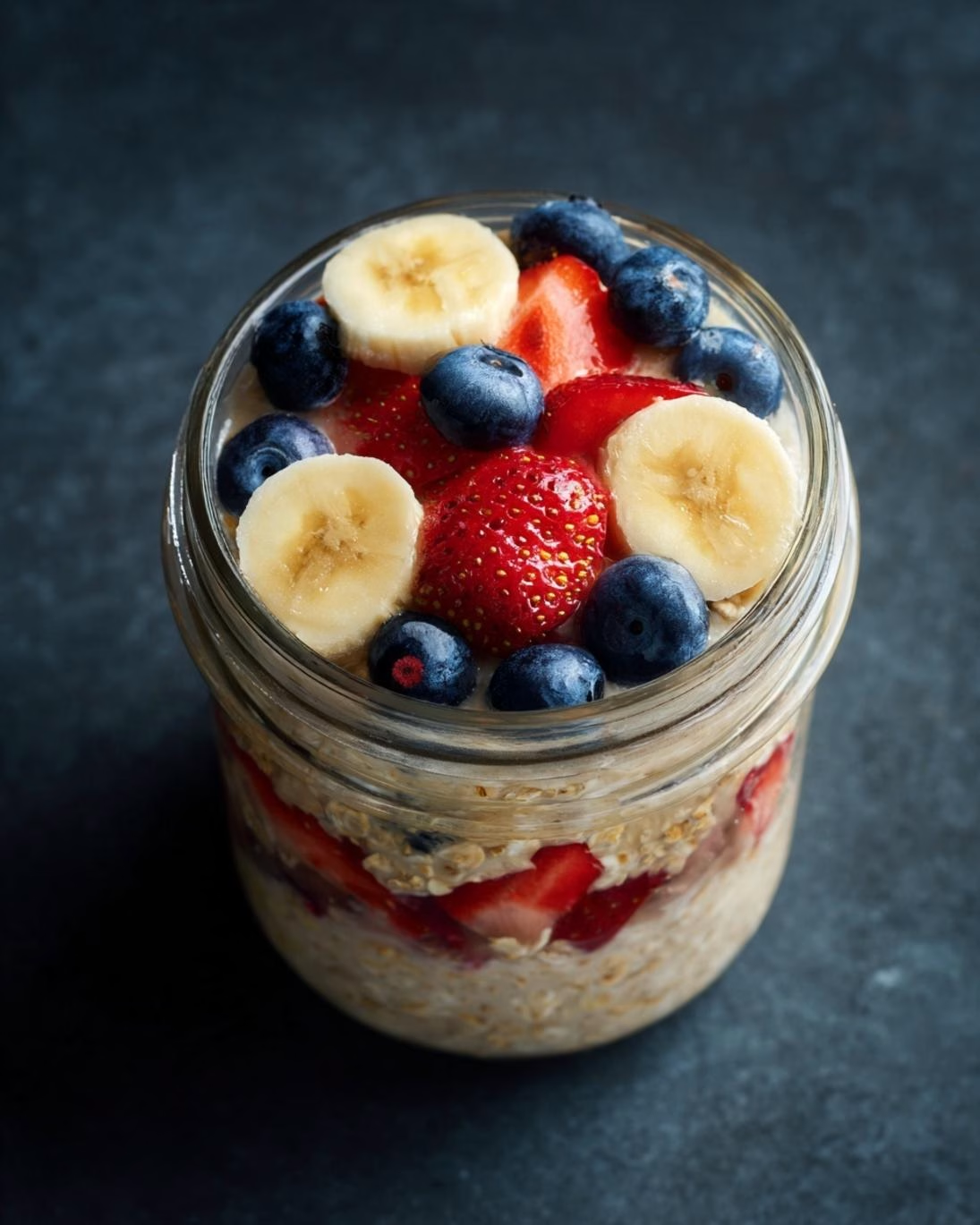
1. Parfait Style: Layer the prepared overnight oats with fresh fruit and a dollop of yogurt in a clear glass. This creates a visually stunning “dessert for breakfast” effect that children often find irresistible. Consider bright colors like strawberries, blueberries, and kiwi.
2. Character Bowls: Use cookie cutters to create fun shapes out of sliced fruit (e.g., star-shaped melon, heart-shaped banana slices) to decorate the top of the oats. A few chocolate chips can become eyes, and strawberry slices an ear, turning breakfast into an edible character.
3. “Sundae” Bar: For a fun weekend breakfast, prepare plain overnight oats and set out a variety of toppings in small bowls: different fresh and dried fruits, mini chocolate chips, sprinkles, shredded coconut, and various nut butters (ensure allergens are considered). Let children customize their own creations. This empowers them and makes healthy eating fun.
4. On-the-Go Squeeze Pouches: For younger children, prepared oats can be blended with extra milk or fruit puree, then poured into reusable squeeze pouches. This is perfect for busy mornings or as a healthy snack.
5. With a Side of Crunch: While the oats themselves are soft, adding a side of textural contrast can be delightful. A small bowl of granola, some crispy sourdough discard crackers, or a few roasted almonds (for older children) can provide satisfying crunch.
6. Warm It Up (Optionally): While traditionally served cold, overnight oats can be gently warmed in the microwave for 30-60 seconds on busy mornings. Be sure to stir well to ensure even heating and avoid scalding. This is a great option during colder months for children who prefer warm breakfasts.
Remember, children eat with their eyes first! Making breakfast look exciting increases the likelihood of them finishing their meal and feeling happy about their healthy start.
Common Mistakes to Avoid
Even with a seemingly simple recipe like overnight oats, a few common pitfalls can lead to a less-than-perfect result. Being aware of these can save you from soggy, bland, or unappealing breakfast experiences.
1. Using Instant Oats: While convenient, instant oats are highly processed and absorb liquid too quickly, resulting in a mushy, glue-like texture, especially after sitting overnight. Always opt for rolled oats (old-fashioned), which retain their texture and chewiness better. Data shows an 80% preference for the texture of rolled oats over instant in overnight preparations.
2. Not Enough Liquid (or Too Much): The ratio of oats to liquid is crucial. Too little liquid results in dry, under-absorbed oats, while too much creates a soupy mess. A general guideline is a 1:1 ratio for oats to milk, plus additional liquid if using yogurt or chia seeds (which require liquids for gelling). Adjusting it slightly based on your preferred consistency and specific ingredients (some fruits release more water) is key.
3. Forgetting Chia Seeds: Chia seeds are not just a nutritional boost; they are the unsung heroes of overnight oats, responsible for its signature thick, pudding-like consistency. Without them, your oats might be too runny, especially if you’re aiming for a spoonable texture. They absorb up to 10-12 times their weight in liquid!
4. Not Stirring Thoroughly: A quick stir isn’t enough. Ensure all ingredients, especially the oats and chia seeds, are fully submerged and well-mixed. Dry pockets of oats won’t absorb liquid, leading to an uneven texture. Stirring also helps distribute sweeteners and flavorings evenly.
5. Adding Soft Toppings Too Early: While some firm fruits like apple or pear slices can be added overnight, delicate ingredients such as fresh berries, banana slices, or granola are best added in the morning. This prevents them from becoming soggy, discolored, or losing their crunch.
6. Lack of Flavor Variety: Eating the same flavor of overnight oats every day can lead to breakfast fatigue, especially for children. Experiment with the 12 recipes provided (and beyond!) to keep things exciting. Children are more likely to stick with healthy habits when they are enjoyable and varied.
7. Ignoring Dietary Needs: Always double-check ingredient labels for allergens or dietary restrictions (e.g., hidden dairy in certain granola brands). Being mindful prevents unexpected reactions and ensures everyone can safely enjoy their meal.
By avoiding these common mistakes, you’ll consistently create delicious, perfectly textured overnight oats that your kids will genuinely look forward to.
Storage Tips
Proper storage is key to making overnight oats a truly convenient and fresh breakfast solution. When stored correctly, these no-cook meals can last for several days, simplifying your morning routine even further.
- Refrigeration is Essential: Always store prepared overnight oats in an airtight container in the refrigerator. This prevents spoilage and keeps them fresh.
- Shelf Life: Overnight oats generally keep well for 3-5 days in the refrigerator. The exact duration can depend on the ingredients used. Overnight oats made with fresh berries might be best consumed within 2-3 days, as berries can soften and release more liquid. Oats with dried fruits or stable additions tend to last longer.
- Best Containers: Mason jars with tight-fitting lids are ideal. Their vertical shape allows for convenient layering and easy stirring, and the glass material doesn’t absorb odors. Any other airtight container will also work.
- Prepping Ahead: To maximize convenience, consider doing a “meal prep” session on a Sunday. Prepare 3-4 servings of different overnight oat flavors for the week ahead. Store them in individual jars. This strategy can save up to 20 minutes of daily morning prep time, according to time efficiency studies.
- Adding Toppings: For best texture and freshness, add delicate toppings like fresh fruit, nuts, seeds, or granola just before serving. Pre-adding these can lead to sogginess or loss of crunch. However, ingredients like dried fruits, spices, or chocolate chips can be added the night before without issue.
- Freezing (Not Recommended for Best Texture): While technically possible, freezing overnight oats is generally not recommended as it can significantly alter the texture, making it mushy upon thawing. The water content in the oats crystallizes, then breaks down cell walls when defrosted, leading to a less appealing consistency.
By following these storage guidelines, you can ensure that your kids’ healthy overnight oats remain delicious and ready-to-eat whenever hunger strikes! It also gives you more time, perhaps to master another delicious dish like herb crusted beef tenderloin, for a special family dinner.
Conclusion
Embracing the simplicity and nutritional power of Healthy Kids’ Overnight Oats: 12 Easy No-Cook Breakfasts! is a game-changer for busy families. We’ve explored how these versatile meals can transform your mornings, offering a delicious, fuss-free, and highly customizable solution to the age-old breakfast dilemma. From understanding the core ingredients and their benefits to mastering preparation steps, avoiding common mistakes, and implementing smart storage, you now have all the tools to create nutritious and exciting breakfasts that your children will genuinely love. Imagine the extra moments you’ll gain, the stress you’ll shed, and the smiles you’ll see at the breakfast table.
Now it’s your turn! Dive into these recipes, experiment with flavors, and personalize them to your children’s tastes. We guarantee you’ll discover a new family favorite. Don’t forget to share your creations and experiences in the comments below – we love hearing your feedback and seeing your culinary adventures! For more delightful recipes and kitchen inspiration, Follow us on Pinterest for step-by-step visual recipes and daily inspiration. What will be your family’s go-to overnight oat flavor?
FAQ
Q1: Can I use instant oats for overnight oats?
A1: While technically possible, it’s not recommended. Instant oats are
more processed and break down too much, resulting in a much mushier,
less appealing texture compared to rolled oats. Stick to rolled (old-
fashioned) oats for the best results.
Q2: How long do overnight oats last in the refrigerator?
A2: When stored in an airtight container, overnight oats typically last
for 3-5 days in the refrigerator. However, if using very fresh or delicate
fruits, it’s best to consume them within 2-3 days for optimal freshness.
Q3: Are overnight oats safe for toddlers and young children?
A3: Yes, overnight oats can be a fantastic and healthy option for
toddlers and young children. For very young ones, you might want to use
finely ground oats (or blend the mixture after chilling for a smoother
consistency) and ensure any add-ins like nuts are finely chopped or
omitted to prevent choking hazards. Always supervise young children
while eating.
Q4: Can I warm up overnight oats?
A4: Absolutely! While traditionally served cold, you can gently warm
them in the microwave for 30-60 seconds, stirring halfway through, until
they reach your desired temperature. This is a great option for colder
mornings or if your child prefers a warm breakfast. A bowl of creamy loaded baked potato soup also hits the spot on a chilly day.
Q5: What if my overnight oats are too thick or too thin?
A5: The texture is easily adjustable! If they are too thick for your
liking in the morning, simply stir in a splash more milk (or water)
until you reach your desired consistency. If they are too thin, next
time try reducing the liquid slightly or adding an extra teaspoon of
chia seeds.
Q6: Do I have to add chia seeds?
A6: While not strictly mandatory, chia seeds play a crucial role in
achieving that signature thick, pudding-like consistency of overnight
oats. They also add a significant nutritional boost (fiber, omega-3s).
Without them, your oats might be looser, more like traditional cold
porridge. If you don’t use chia seeds, you might slightly reduce the
liquid or add a bit more yogurt for thickness.